I still remember the exact moment I fell in love with Xiamen. It was a Tuesday afternoon in late October, and I had just stepped off the ferry onto Gulangyu Island. The air smelled like salt and jasmine. A group of elderly men were playing chess under a banyan tree that looked older than my country. Somewhere in the distance, a piano was being played badly but enthusiastically. I had been traveling through China for three weeks at that point, bouncing between megacities that felt like they were trying to crush me with their sheer scale. Xiamen did not crush me. Xiamen welcomed me. That is the thing about this city that nobody tells you in the guidebooks. It is not just pretty. It is kind.
Xiamen sits on the southeastern coast of China, facing Taiwan across the Taiwan Strait. For decades, it was a frontline military city, closed off to most foreigners, heavily fortified, tense. Then in 1980, it became one of China’s first Special Economic Zones, and everything changed. Today, it is consistently ranked as China’s most livable city, and after spending nearly two weeks there, I understand why. The air is cleaner than Shanghai. The pace is slower than Shenzhen. The coffee is better than Beijing. And the tourist attractions? They are the kind of places that make you want to cancel your flight home and find an apartment.
This guide covers everything I discovered during my stay. I am not going to give you a dry list of addresses and opening hours. You can find that on any travel site. Instead, I am going to tell you what these places feel like, when to visit them, what to eat nearby, and the mistakes I made so you do not have to repeat them. If you are searching for Xiamen tourist attractions because you are planning a trip, consider this your honest, slightly messy, thoroughly human roadmap.
Gulangyu Island: The Piano-Shaped Paradise
No discussion of Xiamen tourist attractions can begin anywhere except Gulangyu Island. This tiny car-free island, barely two square kilometers, sits just five minutes by ferry from downtown Xiamen. And yet it feels like a different century. The colonial architecture dates back to the 1840s, when Xiamen opened as a treaty port and thirteen foreign nations established consulates here. Walking through the narrow lanes, you pass Spanish villas, British churches, Japanese hospitals, and Chinese merchant houses, all jumbled together like architectural confetti.
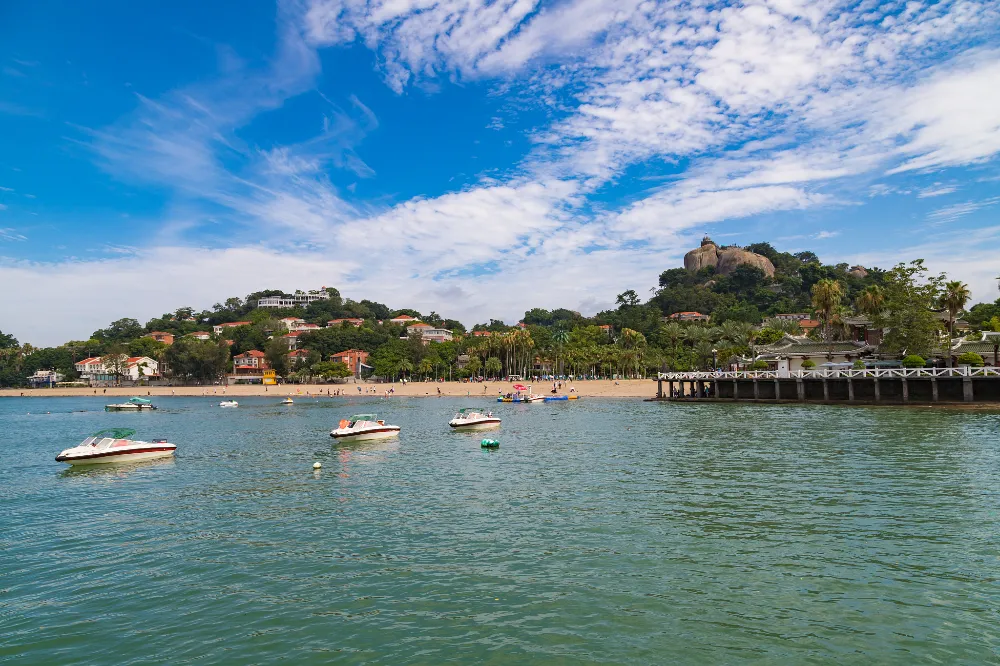
I spent three full days on Gulangyu, which most people consider excessive. The standard itinerary gives it half a day. Those people are wrong. Gulangyu rewards slowness. I stayed in a converted 1920s villa called the Gulangyu Lin Family Mansion, where the owner, a third-generation islander named Mr. Lin, served me Tieguanyin tea every morning on a terrace overlooking a garden of gardenias. He told me stories about his grandfather, who played violin for the British consul in the 1930s. Those conversations, more than any museum plaque, taught me what this island meant to the people who actually lived here.
The Shuzhuang Garden is the island’s most famous formal garden, built by a Taiwanese merchant in 1913. It cascades down a hillside toward the sea, with pavilions, rockeries, and a remarkable piano museum housed in two former guest villas. The museum holds over seventy historic pianos, including a gold-plated piano from the 1800s and a tiny upright made for sailing ships. I am not a piano person, but standing in those rooms, looking at instruments that had survived wars and revolutions, I felt something shift in my chest. History is abstract until you see the objects people touched.
The Sunlight Rock, the highest point on the island, offers a 360-degree view that justifies the climb. I went up at 6:30 AM on my second day, before the tour groups arrived. The ticket costs about 50 yuan, and the stairs are steep, but from the top, you see the entire island spread below like a green handkerchief, with Xiamen’s modern skyline rising across the water and Taiwan’s distant mountains barely visible on the horizon. I sat there for forty minutes, watching fishing boats leave trails of white foam, and I understood why this island was worth fighting over for so many years.
But Gulangyu’s real magic is in the details most tourists miss. The Longtou Road commercial strip is crowded and overpriced, yes. But turn left at the post office, walk past the old German consulate, and you find yourself in a neighborhood of crumbling villas where laundry hangs between palm trees and cats sleep on warm stone steps. I found a coffee shop there called Jianyi, run by a couple who had moved from Beijing to escape the smog. They roasted their own beans in a back room that smelled like burnt caramel. We talked for two hours about migration, about why people choose smaller lives in beautiful places. That conversation, that coffee, that quiet street with bougainvillea climbing over rusted iron gates—that is the Gulangyu I want you to find.
Xiamen University: The Most Beautiful Campus in China
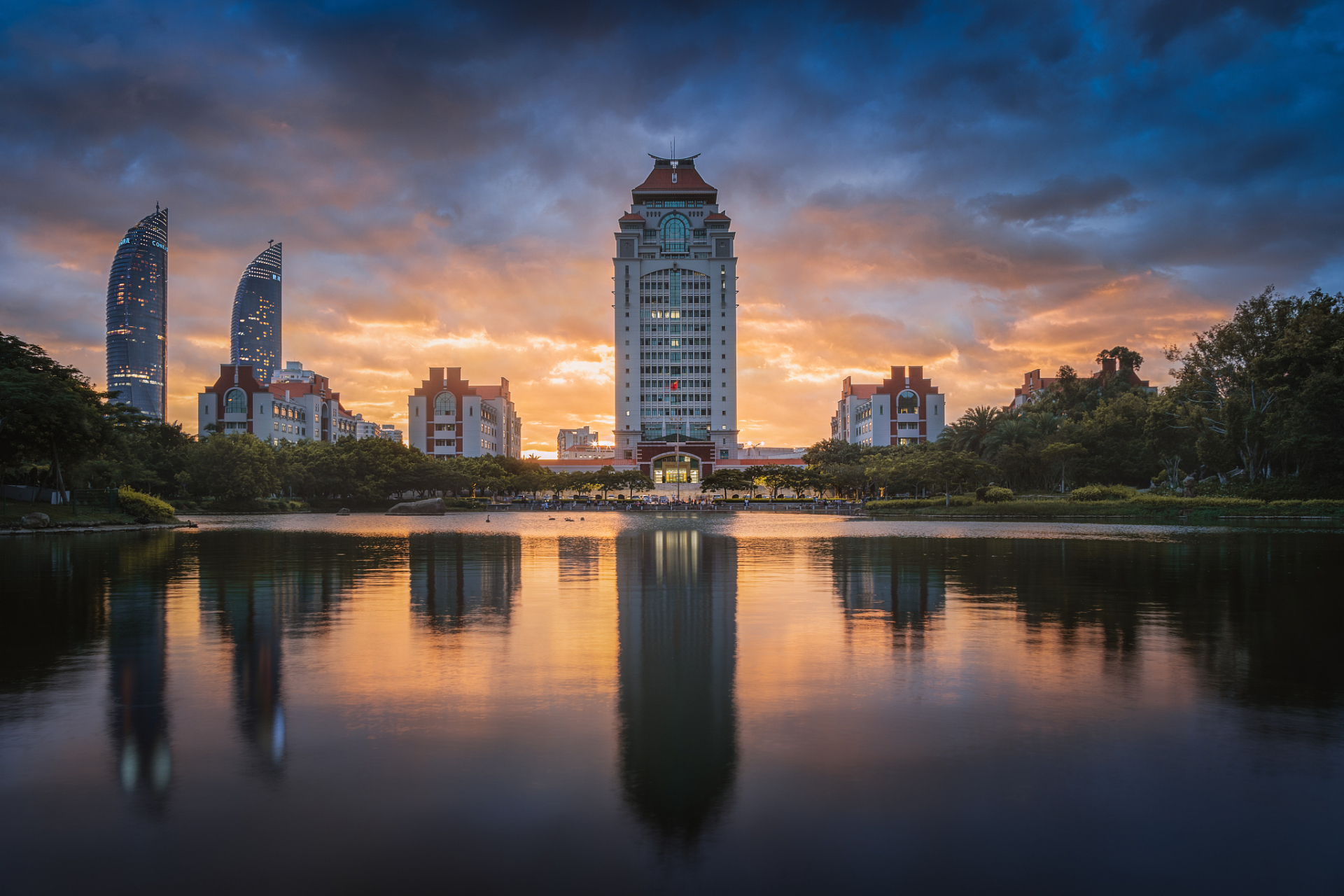
If you ask any Chinese person about Xiamen tourist attractions, they will mention Xiamen University before they mention half the actual museums. Founded in 1921 by the rubber magnate Tan Kah Kee, this campus is legendary for its beauty. And honestly? The hype is justified. I visited on a Thursday morning, entering through the main gate on Siming Road, and I immediately felt like I had walked into a film set. The buildings are a mix of traditional Chinese and Western styles, with red-tiled roofs and white stone walls, set among gardens and lakes that reflect the sky like mirrors.
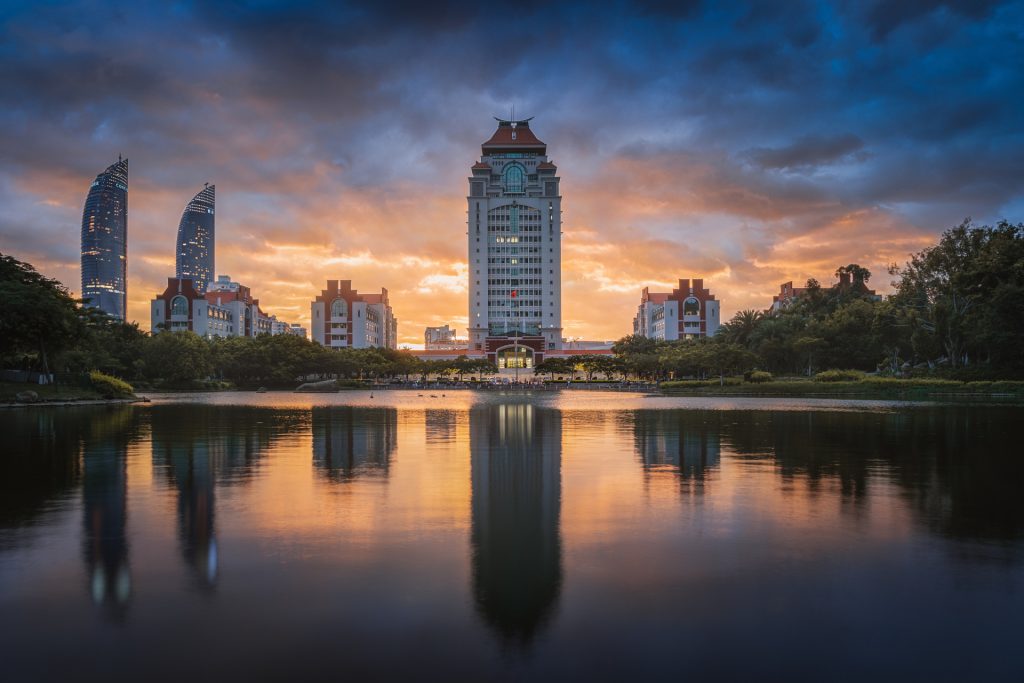
The Furong Lake is the campus heart. Students sit on its banks reading, napping, or arguing about relationships. I joined them for a while, buying a green tea from a campus café and watching a heron stalk fish in the shallows. The Wuyuanwan Stadium, shaped like a sailing ship, sits nearby, but I preferred the older buildings. The Jiannan Auditorium, with its Roman columns and Chinese roof, looks like it belongs in a different era. I snuck into a lecture hall during a break between classes and sat in the back, reading the graffiti carved into the wooden desks by generations of students. “I will pass CET-6 this time.” “Li Hua, I still love you.” “The dumplings in the third cafeteria are terrible.” It was intimate, human, alive.
The campus is large, and walking the full circuit takes about two hours. I recommend entering from the west gate and exiting through the tunnel that leads to the beach. The Furong Tunnel, decorated with murals painted by students, stretches for over a kilometer and feels like walking through an art gallery designed by twenty-year-olds with too much caffeine and not enough sleep. The murals range from political cartoons to anime characters to abstract explosions of color. Some are dated, some are fading, but the collective energy is undeniable. I stopped at least twenty times to take photos, though I know the rule says you should not photograph everything. Some things you just have to capture.
A word of warning: Xiamen University limits visitor numbers. You need to book entry through their official WeChat account at least a day in advance, and slots fill up fast, especially on weekends. I missed my first attempt because I tried to book same-day. Plan ahead. Bring your passport. And respect the campus. This is still a working university, not a theme park. The students are trying to study while you are taking selfies. I saw one tourist shout at a student for walking through her photo. Do not be that tourist.
Nanputuo Temple: Where the Mountain Meets the Sea
Xiamen tourist attractions are not just about colonial villas and university campuses. The spiritual side of the city is equally compelling, and Nanputuo Temple is its crown jewel. Located at the foot of Wulao Mountain, facing the sea, this Buddhist temple has stood here for over a thousand years. The name means “South Putuo,” referencing the sacred Mount Putuo in Zhejiang, and the temple has been a major center of Chinese Buddhism since the Tang Dynasty.
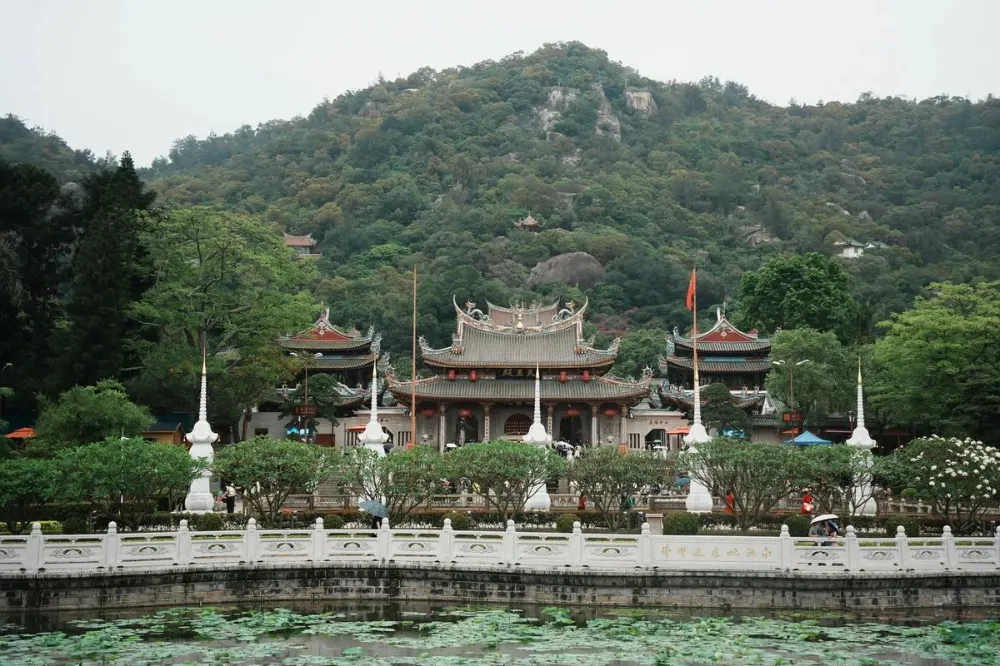
I visited on a Sunday morning, which was a mistake. The place was packed with pilgrims and tourists, incense smoke so thick it stung my eyes, queues for every shrine. So I went back on Tuesday at 7 AM, when the monks were chanting morning sutras and the only other visitors were elderly women in grey robes carrying prayer beads. The difference was transformative. Without the crowds, I could hear the bells, the wooden fish drums, the rhythmic chanting that has continued daily for centuries. The main hall houses a massive golden statue of Guanyin, the goddess of mercy, and the craftsmanship of the woodwork on the ceiling is so detailed it hurts your neck to look at it for too long.
Behind the temple, stone steps lead up Wulao Mountain. The climb takes about forty minutes if you are reasonably fit, longer if you stop to admire the views, which you should. Halfway up, a pavilion offers a panorama of Xiamen University and the sea beyond. Near the summit, rock carvings from the Ming Dynasty peek through the vegetation. I reached the top slightly out of breath, slightly sweaty, and completely at peace. The mountain is covered in subtropical forest, and the sounds of cicadas create a constant hum that feels like nature’s own meditation track.
The temple’s vegetarian restaurant serves lunch from 11 AM to 2 PM. I ate there on my second visit, paying about 30 yuan for a buffet of mock meats, tofu dishes, and vegetables prepared with a skill that would convert any carnivore. The “vegetarian abalone,” made from mushrooms, had a texture so close to the real thing it was slightly unsettling. Eating in the courtyard, under ancient camphor trees, with monks walking past in their saffron robes, I felt a calm that I rarely find in travel. Nanputuo is not just a tourist attraction. It is a place that asks you to slow down, and if you let it, it works.
The Ring Road: Cycling Xiamen’s Coastline
Xiamen’s Huandao Road, or Ring Road, is arguably the most beautiful urban coastal drive in China. It stretches for 31 kilometers along the coast, connecting the city center with the beaches, parks, and viewpoints that make Xiamen famous. I rented a bicycle on my fourth day and spent six hours riding as much of it as my legs could handle. The rental shops near Zengcuo’an charge about 20 yuan per day for a basic bike, or 40 yuan for an electric one if you are feeling lazy. I chose the manual option, which I regretted around kilometer twenty-five but celebrated at kilometer thirty when I felt genuinely accomplished.
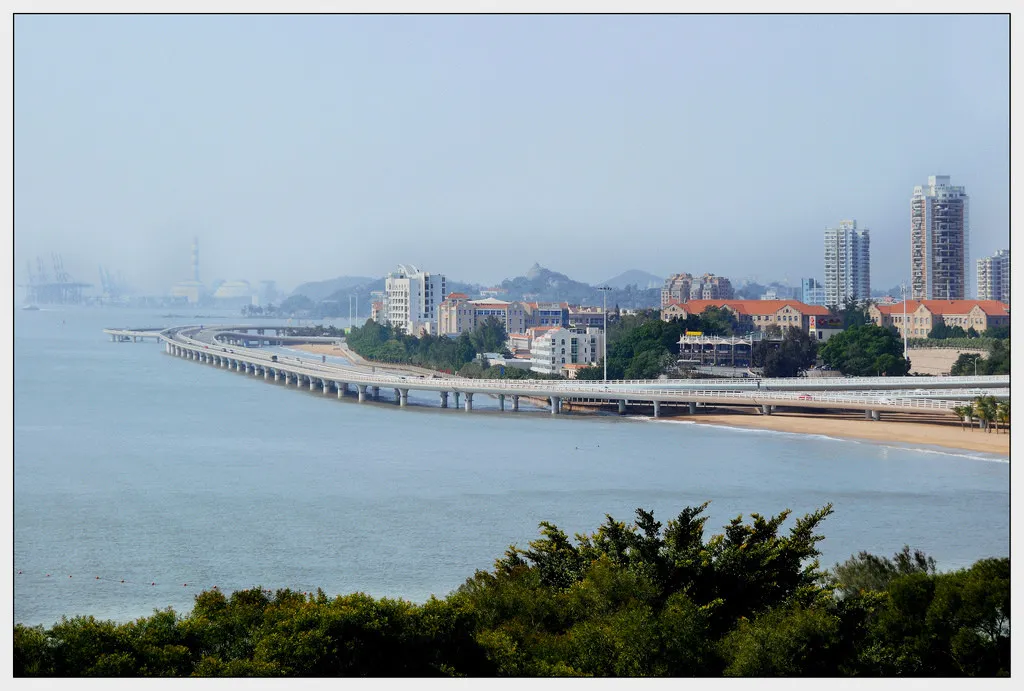
The route starts near Xiamen University Beach, a stretch of sand that fills with students and locals on warm evenings. I rode past the Hulishan Fortress, a late Qing Dynasty coastal defense installation that houses a massive German-made cannon from 1896. The cannon is ridiculous, a 280-millimeter monster that weighs 87 tons and was apparently never fired in combat. The fortress itself is interesting enough, with tunnels and barracks you can explore, but the real draw is the location. Standing on the walls, looking out at the Taiwan Strait, you feel the weight of Xiamen’s strategic history. This city was always a frontier.
Further along, the road passes through Yefengzhai, a rocky headland where waves crash against volcanic stones with theatrical violence. I stopped there for a break, buying a coconut from a vendor who hacked it open with a machete in three precise strokes. The coconut water was warm and sweet, and I drank it while sitting on a rock, watching a group of elderly swimmers brave the November sea. They called out to me, asking where I was from, laughing when I mangled the pronunciation of my hotel’s name. That kind of easy, unguarded interaction is what makes Xiamen different from the colder, more guarded cities of the north.
The cycling path is mostly flat, with dedicated lanes separated from traffic, though you share space with joggers, skateboarders, and the occasional electric scooter. The section between Zengcuo’an and the Convention Center is the most scenic, passing beaches, parks, and modern sculptures. I reached the Guanyinshan Business District by late afternoon, where the skyscrapers rise like glass fingers from reclaimed land. The contrast between the natural coastline and this sudden urban density is jarring but somehow very Xiamen. This city has always balanced opposites.
Zengcuo’an: The Village That Became Cool
Zengcuo’an is the kind of place that travel writers describe as “bohemian” or “artsy,” which usually means it has been ruined by tourism. But Zengcuo’an manages to keep its soul, barely. This former fishing village, located just south of Xiamen University, transformed in the 2010s into a maze of narrow lanes filled with guesthouses, cafés, boutiques, and street food stalls. It is touristy, yes. But it is also genuinely charming if you know where to look.
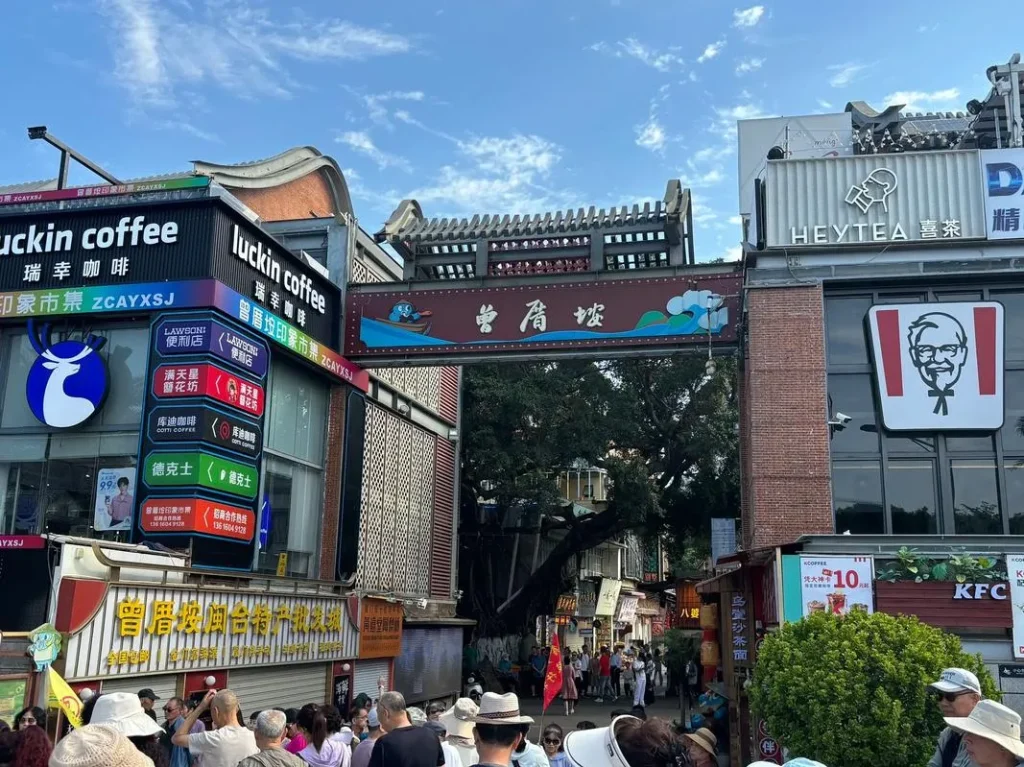
I stayed in Zengcuo’an for five nights, at a guesthouse called Sanqiu Mo, which occupied a renovated Fujian-style courtyard house. The owner was a former graphic designer from Hangzhou who had opened the place after a divorce and a midlife crisis. She painted the walls herself, chose every piece of furniture from flea markets, and served breakfast that included homemade pineapple buns and locally sourced yogurt. We talked every morning. She told me about the village’s transformation, how the original fishermen had sold their houses to investors, how the rents had tripled in five years, how she worried that Zengcuo’an was becoming too polished. I could see her point. The main street, Wenzao Road, is basically a continuous line of shops selling the same souvenirs: seashell jewelry, dried seafood, pineapple cakes, and “I Heart Xiamen” t-shirts.
But turn off the main drag, and Zengcuo’an reveals its quieter corners. The Temple of the Queen of Heaven, a Mazu temple dating back to the Song Dynasty, sits near the waterfront, surrounded by modern buildings but still actively worshipped by local fishermen. I watched a ceremony there one morning, with incense coils the size of bicycle wheels burning overhead and worshippers bringing offerings of fruit and rice wine. The temple keeper, an old man with a face like a walnut, explained that Mazu protects sailors, and since Xiamen was built on sailing, she remains the city’s most important deity. He gave me a cup of tea and refused payment. That kind of hospitality still exists here, buried under the tourist veneer.
At night, Zengcuo’an transforms. The food stalls open, and the air fills with the smell of grilled squid, oyster omelets, and peanut soup. I ate at a stall run by a couple from Chaozhou who made sha cha noodles, a Xiamen specialty involving a complex broth of peanuts, shrimp, and spices. The noodles cost 12 yuan. The portion was enormous. The flavor was so rich and layered that I went back three times. On my last night, the owner recognized me and added extra clams to my bowl without charging. I almost cried. Travel is strange like that. You form attachments to people you will never see again, over bowls of soup that cost less than a coffee back home.
Zhongshan Road: The Colonial Heartbeat
Zhongshan Road Pedestrian Street is Xiamen’s commercial center, and while it is undeniably touristy, it is also architecturally unique. The street is lined with qilou, or arcade-style buildings, where the ground floor is set back to create a covered walkway. This style, common in southern China and Southeast Asia, protects pedestrians from rain and sun, and walking Zhongshan Road on a drizzly afternoon feels like strolling through a covered bazaar. The buildings date from the early 20th century, when Xiamen was a major trading port, and the mix of Chinese, European, and Southeast Asian architectural details is unlike anything I have seen elsewhere in China.
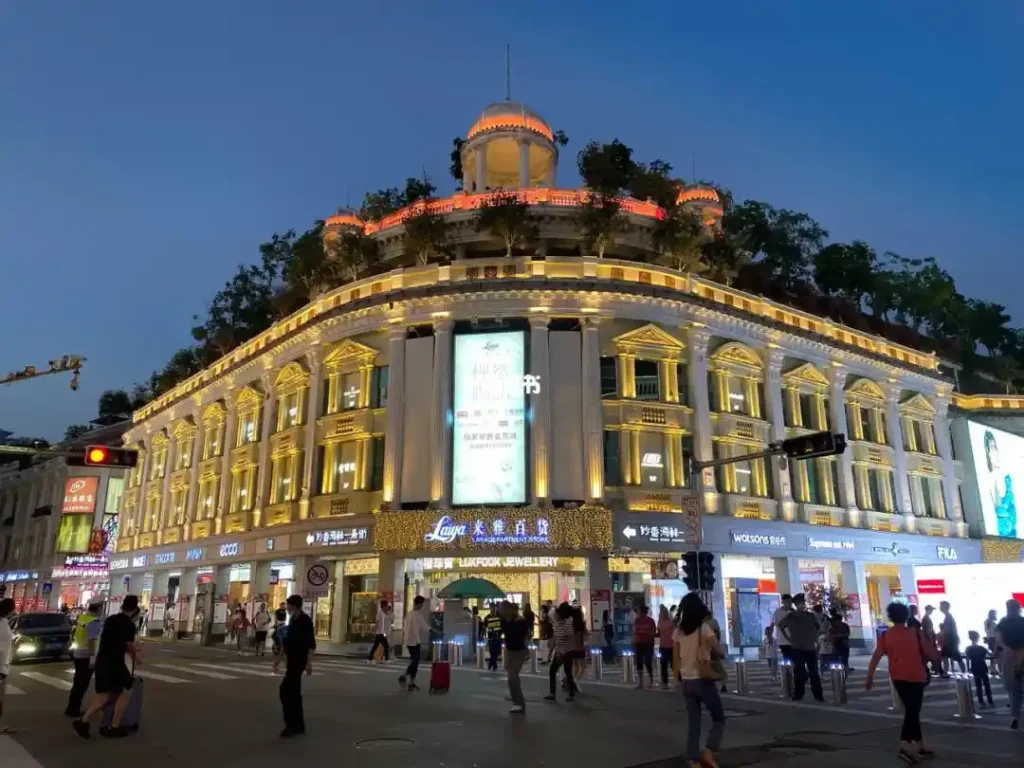
I visited Zhongshan Road multiple times, usually in the evening when the neon signs flicker on and the street performers set up. There is a saxophonist who plays near the Paris Spring Department Store every Friday, and a group of elderly women who dance in formation to patriotic songs near the waterfront end. The shopping is standard Chinese mall fare, but the food is excellent. The side alleys hide restaurants that have been operating for decades. I found a shaxian snack shop in one such alley, no name on the door, just a red lantern and a steam cart outside. The dumplings, wrapped in thin skins and filled with pork and winter bamboo, were the best I had in Xiamen. I paid 8 yuan. The owner, a woman in her sixties, told me her mother had opened the shop in 1978. The recipe had not changed.
The waterfront end of Zhongshan Road connects to the ferry terminal for Gulangyu, which makes it a natural starting point for island visits. But do not rush through. Sit at one of the outdoor cafés, order a milk tea, and watch the human parade. Xiamen people dress well. They have a sense of style that mixes high street fashion with beach casualness. The young couples holding hands, the families with strollers, the elderly men walking birds in cages—it is a slice of urban life that feels authentic despite the commercial setting. I spent one rainy afternoon in a second-floor café, reading a book and occasionally looking down at the umbrellas flowing like a river of colored mushrooms. That was enough. That was travel.
Jimei School Village: The Legacy of Tan Kah Kee
Across the bridge from downtown Xiamen lies Jimei, a district that most foreign tourists skip entirely. This is a mistake. Jimei is home to the Jimei School Village, a complex of schools and universities founded by Tan Kah Kee, the same rubber tycoon who established Xiamen University. Tan Kah Kee was a remarkable figure, a businessman who made millions in Singapore and then poured almost all of it into education in his homeland. Walking through Jimei, you feel his presence everywhere.
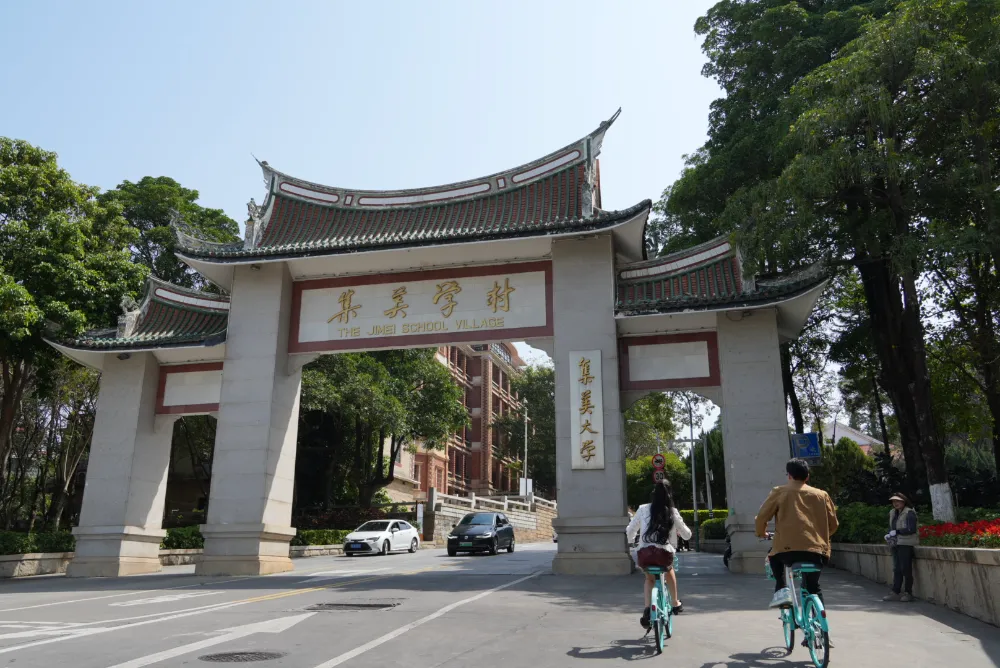
The architecture here is distinct. Tan hired designers who blended traditional Chinese styles with modern Western elements, creating buildings that look both timeless and slightly futuristic. The Jimei Middle School, the Navigation College, and the Overseas Chinese Museum sit among gardens and canals that make the district feel more like a university town than a suburb. I visited on a Wednesday, taking the metro from downtown, which takes about thirty minutes and costs 4 yuan. The Jimei School Village station drops you right in the middle of the complex.
The Tan Kah Kee Memorial Hall is the emotional center of Jimei. This museum, housed in a striking building with a green-tiled roof, chronicles Tan’s life, from his impoverished childhood in Fujian to his business empire in Singapore, and finally to his decision to fund education rather than pass wealth to his children. The exhibits include his personal letters, photographs, and the simple furniture from his final home. I spent two hours there, reading every panel, and I left with a new understanding of what philanthropy means in the Chinese context. Tan Kah Kee was not just writing checks. He was building institutions that would outlast him by centuries. That is legacy.
The Dragon Boat Pool, in front of the school village, is where the annual dragon boat races take place. I visited in the off-season, so the water was calm, reflecting the pavilions and pagodas that line its banks. Local families were flying kites, and the atmosphere was so peaceful that I sat on a bench for an hour, doing nothing, thinking about how rare it is to find silence in a Chinese city of four million people. Jimei offers that silence. It offers space to breathe. Do not skip it.
Shapowei: Xiamen’s Creative Soul
Shapowei is the newest entry on the Xiamen tourist attractions map, and it represents the city’s evolving identity. This former fishing harbor, located near Xiamen University, has been transformed into a cultural and creative zone, with art galleries, design studios, boutique hotels, and restaurants occupying converted warehouses and dock buildings. It is Xiamen’s answer to Beijing’s 798 Art District, but smaller, grittier, and somehow more sincere.

I visited Shapowei on a Friday evening, when the weekend crowd was just arriving. The central feature is a long concrete platform that extends into the water, where fishing boats once unloaded their catches. Now it serves as an impromptu stage for musicians, a viewing platform for sunset watchers, and a runway for fashion students practicing their walks. I sat on the edge with my legs dangling over the water, eating grilled oysters from a food truck and watching the sun turn the sky the color of a bruised peach. Behind me, a jazz trio was playing standards in a converted fish market. The saxophone echoed off the concrete walls. It was one of those moments where you think, yes, this is why I travel.
The art galleries in Shapowei are small but serious. I visited one called The Container, housed in a shipping container, naturally, that featured photography by local artists documenting Xiamen’s disappearing fishing culture. The images were black and white, stark, beautiful. The artist, a young woman named Chen Wei, was present and explained that her grandfather had been a fisherman in Shapowei before the area was redeveloped. Her work was a memorial to a way of life that was vanishing. I bought a small print for 200 yuan. It hangs in my apartment now, and every time I look at it, I remember that conversation, that harbor, that sunset.
Shapowei also has some of Xiamen’s best cafés. I spent a morning in one called Rebuild, which occupied a three-story concrete building with floor-to-ceiling windows facing the sea. The coffee was Ethiopian, single origin, roasted in-house. The barista was a former engineer who had quit his job to pursue coffee. We talked about extraction times and water temperature for forty-five minutes. That is the kind of place Shapowei is. People here are doing things they care about, and the energy is contagious. If you are interested in contemporary Chinese culture, in the creative impulses of a generation that grew up with the internet and global influences, Shapowei is essential.
Xiamen Botanical Garden: A Jungle in the City
The Xiamen Botanical Garden, also known as the Wanshi Botanical Garden, covers 4.5 square kilometers on the slopes of Wanshi Mountain. It is enormous, and I made the mistake of trying to see it all in one day. Do not do this. Pick two or three sections and explore them properly. I recommend the Rainforest World and the Succulent Plant Zone, which are the most photogenic and the most distinct.
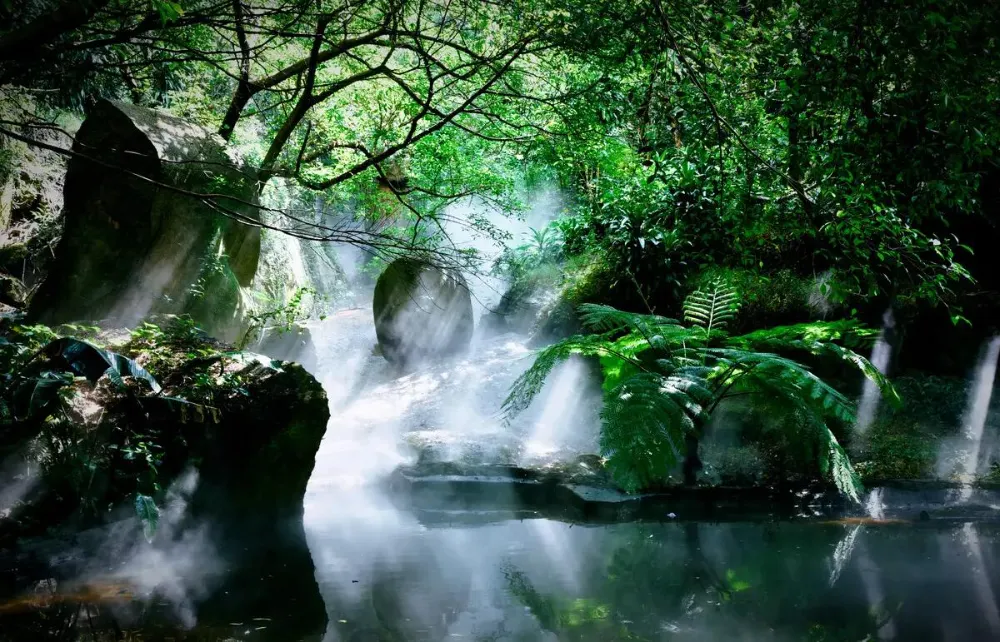
The Rainforest World operates a misting system that creates an artificial cloud forest environment. I visited at 10 AM, when the mist was at its peak, and the effect was surreal. Sunlight filtered through the canopy, catching the water droplets and creating beams of light that looked like stage effects. Ferns, orchids, and bromeliads grew on every surface. The paths were slippery, and the air was so humid my glasses fogged completely. I felt like I had walked into a Jurassic Park set, minus the dinosaurs. The misting runs on a schedule, so check the times before you go. The 9 AM and 11 AM sessions are the most dramatic.
The Succulent Plant Zone is completely different. It sits on a sunny hillside and features thousands of cacti and succulents from around the world. The giant cacti, some reaching four meters tall, create a landscape that looks more like Arizona than southern China. I visited in the afternoon, when the light was golden and the shadows were long. The photography opportunities are endless. I saw at least twenty couples doing wedding photos among the cacti, which must have been prickly but produced stunning results. The garden also has a rose garden, a bamboo grove, and a bonsai collection, but the rainforest and succulents are the stars.
The climb to the garden’s upper sections is steep. Wear good shoes. Bring water. The entrance fee is 30 yuan, which is absurdly cheap for what you get. I spent four hours there and felt like I had barely scratched the surface. If you are a plant person, budget a full day. If you are a casual visitor, half a day is enough to hit the highlights. Either way, the botanical garden is one of the Xiamen tourist attractions that genuinely surprised me with its quality and ambition.
The Food of Xiamen: A Culinary Love Letter
I have saved the best for last. If you are reading this guide because you are interested in Xiamen tourist attractions, you need to understand that food is not a secondary concern here. It is the primary concern. Xiamen cuisine, part of the broader Minnan culinary tradition, is one of China’s most refined and distinctive regional styles. It emphasizes seafood, light soups, delicate flavors, and the use of local ingredients like oysters, peanuts, and sweet potatoes. I ate my way through this city with the dedication of a professional athlete, and I regret nothing.
Let’s start with the basics. Shaxian noodles are Xiamen’s signature dish, a bowl of wheat noodles in a broth made from shrimp, peanuts, and a complex paste of spices and fermented seafood. Every shop has its own recipe, and the variations are endless. I tried at least ten versions during my stay, from the fancy restaurant interpretation at Lin’s Kitchen to the street stall version near the ferry terminal. The street stall won. It always wins. The broth was richer, the noodles had more bite, and the price was a quarter of the restaurant’s.
Oyster omelets, or o-a-chian, are another must-try. This dish, which originated in Fujian and spread to Taiwan, consists of fresh oysters cooked into a starchy egg batter, then topped with a sweet chili sauce. The texture is strange, slightly gooey, but the flavor is addictive. I ate them at the night market in Zengcuo’an, where a vendor named Auntie Chen had been making them for thirty years. She used a cast iron pan that looked older than she did, and her technique—flipping the omelet with a flick of the wrist—was a performance in itself. Each omelet cost 15 yuan. I ate three in one sitting.

Peanut soup is Xiamen’s comfort food. This simple dessert, made by boiling peanuts until they are soft and creamy, then sweetening the broth, is served everywhere from breakfast stalls to high-end restaurants. I had it at Huang Zehe, a legendary shop on Zhongshan Road that has been operating since 1945. The peanuts were so tender they dissolved on my tongue. The broth was sweet but not cloying. I paired it with youtiao, fried dough sticks, dipping them into the soup like a local. The combination of crispy fried dough and sweet peanut soup is one of those perfect culinary pairings that you cannot explain. You just have to experience it.

Seafood in Xiamen is, unsurprisingly, exceptional. The city is surrounded by water, and the fishing industry is still active. I ate at a restaurant called 202 Seafood, located in a converted warehouse near the harbor, where the menu changed daily based on the morning’s catch. The steamed grouper, cooked with ginger and scallions, was so fresh it barely needed seasoning. The razor clams, stir-fried with basil and chili, were crunchy and sweet. The sea urchin, served raw with a squeeze of lime, tasted like the ocean concentrated into a single bite. Dinner for two, with beer, cost about 200 yuan. In any Western city, that meal would have cost ten times as much.
Do not leave Xiamen without trying the pineapple cakes. These small pastries, filled with pineapple jam, are a Taiwanese specialty that has been adopted enthusiastically in Xiamen. The best ones are at Zhao’s Shop, a tiny bakery near Gulangyu ferry terminal that makes them fresh daily. The crust is buttery and crumbly. The filling is tart and sweet, made from real pineapple rather than the winter melon substitute that cheaper shops use. I bought two boxes to take home and ate one box on the plane. No regrets.
Where to Stay: Accommodation for Every Budget
Xiamen’s accommodation options have improved dramatically in the past decade. When I first considered visiting years ago, the choices were limited to generic business hotels and backpacker hostels. Now, there is something for everyone.
For luxury travelers, the Conrad Xiamen and the Shangri-La offer five-star service with harbor views. The Conrad, located in the Guanyinshan district, has a rooftop bar that overlooks the Taiwan Strait, and watching the sunset from there, cocktail in hand, is a legitimate travel highlight. I did not stay there—I am more of a mid-range traveler—but I visited the bar and can confirm the views are worth the drink prices.
Mid-range travelers should look at the hotels in the Siming district, near Zhongshan Road or Xiamen University. The Ibis and Mercure chains have clean, modern rooms for about 60 to 80 dollars per night. I stayed at a local boutique hotel called the Koala Hotel, which occupied a renovated 1980s building near Zengcuo’an. The rooms were small but stylish, with vintage furniture and local art on the walls. The owner was a former tour guide who spoke excellent English and gave me recommendations that no guidebook could match. That personal connection is worth paying for.
Budget travelers and backpackers have excellent hostel options. The Xiamen International Youth Hostel, located in a historic building near Zhongshan Road, offers dorm beds for about 15 dollars and private rooms for 40. The common area is social without being party-heavy, and the staff organizes weekly dumpling-making nights. I stayed there for two nights at the end of my trip and met a German photographer who was documenting Xiamen’s disappearing fishing villages. We ended up visiting Shapowei together, and his perspective, trained by years of photojournalism, showed me details I would have missed alone. That is the value of hostels. They connect you with people who see the world differently.
For a unique experience, stay on Gulangyu Island. The island has dozens of guesthouses operating in historic villas. Prices are higher than the mainland, and you have to haul your luggage onto the ferry, but waking up to birdsong and the sound of distant piano practice is a luxury that money cannot buy on the mainland. I stayed at the Lin Family Mansion, as mentioned earlier, and paid about 80 dollars per night for a room with a garden view. It was worth every yuan.
Getting Around: Transportation Tips
Xiamen is compact by Chinese standards, and getting around is relatively easy. The metro system, which opened in 2017, now has three lines covering most major areas. It is clean, efficient, and cheap. A single ride costs between 2 and 7 yuan depending on distance. The stations have English signage, and you can pay with WeChat, Alipay, or cash. I used the metro daily and never waited more than five minutes for a train.
Buses are even cheaper, at 1 yuan per ride, but they are slower and the routes can be confusing for non-Chinese speakers. I took buses a few times, using Baidu Maps to navigate, and while they worked, the metro was usually faster. Taxis are plentiful and inexpensive. A ride across the city rarely costs more than 30 yuan. Didi, the Chinese ride-hailing app, works perfectly and is often cheaper than street taxis. Just make sure you have your destination written in Chinese, as most drivers do not speak English.
The ferry to Gulangyu is the one transportation element you need to plan carefully. Ferries depart from three main terminals: the Xiamen Cruise Center (for daytime tourist departures), the Xiamen Ferry Terminal (for night departures and local residents), and the Songyu Terminal (for a less crowded alternative). Tourists must use the Xiamen Cruise Center or Songyu during the day. Tickets cost 35 yuan for the standard ferry or 50 yuan for the luxury option, which is not worth the extra cost. You must book in advance through the official WeChat mini-program, especially on weekends and holidays, when tickets sell out days ahead. I saw tourists crying at the terminal because they had not booked and could not get on the island. Do not be one of them. Book ahead. Bring your passport. Arrive thirty minutes early.
Bicycle rental is available throughout the city, with shared bikes from Meituan and HelloBike parked on every corner. Scan the QR code with WeChat or Alipay, and you are riding for 1 yuan per hour. The bike lanes in Xiamen are well-maintained, and cycling along the coast is one of the great pleasures of visiting. Just be careful of pedestrians and electric scooters, which share the lanes and move unpredictably.
Best Time to Visit Xiamen
Xiamen’s climate is subtropical, which means hot, humid summers and mild, dry winters. The best time to visit is October through December, when the temperatures hover between 20 and 25 degrees Celsius, the humidity drops, and the skies are consistently blue. I visited in late October and early November, and the weather was perfect. I wore shorts most days and needed a light jacket only in the evenings.
Spring, from March to May, is also pleasant, though the humidity starts rising in May and you get occasional rain. The plum rain season in June can be dreary, with weeks of gray skies and drizzle. Summer, from July to September, is hot and humid, with temperatures regularly exceeding 35 degrees. Typhoons are also a risk in late summer. I would avoid July and August unless you enjoy sweating through your clothes before breakfast.
Winter, from January to February, is mild by northern standards, rarely dropping below 10 degrees, but it can feel cold due to the humidity. The advantage of winter visiting is the lack of crowds. Gulangyu in January is almost peaceful. The disadvantage is that some outdoor cafés and beach activities shut down. If you do not mind wearing a sweater, winter is a fine time to visit, and hotel prices drop significantly.
Practical Tips for Xiamen Travel
Let me end with some hard-won practical advice. First, download a VPN before you arrive. Google, Facebook, Instagram, and WhatsApp are blocked in China. If you rely on these services, you need a VPN. ExpressVPN and NordVPN generally work, though the Chinese government actively blocks them, so check current status before your trip. Without a VPN, you will need to use WeChat for everything, which is actually fine because Xiamen runs on WeChat. You can pay for meals, book ferries, hail taxis, and order food delivery all within the app. Ask your hotel to help you set it up if you are not familiar with it.
Second, bring cash, but not too much. China is increasingly cashless, and many small vendors and taxis prefer mobile payment. However, some places still only take cash, and foreign credit cards are not widely accepted outside major hotels. I carried about 1,000 yuan in cash and used it for small purchases and tips. ATMs are common, and international cards usually work at Bank of China machines.
Third, learn a few phrases of Mandarin. Xiamen locals speak Minnan dialect, which is completely different from Mandarin, but most people under fifty understand Mandarin. English proficiency is limited outside the tourist zones. Knowing how to say hello (ni hao), thank you (xie xie), how much (duo shao qian), and delicious (hao chi) will go a long way. I used the Pleco app for translation, and it saved me multiple times.
Fourth, respect the local customs. Xiamen is more relaxed than northern China, but basic etiquette still applies. Do not stick chopsticks upright in rice bowls. Do not tap your bowl with chopsticks. Accept tea when it is offered, and tap two fingers on the table to thank the server. Dress modestly when visiting temples. Queue patiently, even when others do not. The usual rules.
Fifth, and this is personal: slow down. Xiamen is not a city to rush through. It is a city to wander, to get lost in, to sit and watch. Some of my best moments were unplanned. The conversation with the dumpling shop owner. The unexpected jazz performance in Shapowei. The heron I watched for twenty minutes on Furong Lake. If you approach Xiamen with a checklist mentality, you will miss what makes it special. Put the phone down sometimes. Let the city unfold at its own pace.
Why Xiamen Stays With You
I have been home for two months now, and I still think about Xiamen daily. I think about the morning mist on Gulangyu. I think about the peanut soup at Huang Zehe. I think about the saxophone echoing in Shapowei harbor. I think about the old man at the Mazu temple who gave me tea and told me about his father’s fishing boat. These are not the grand, iconic moments that make it onto postcards. They are the small, human moments that make travel meaningful.
Xiamen is not perfect. It is getting more expensive. It is getting more crowded. The traffic is bad. The summer heat is oppressive. But it is also one of the most balanced cities I have visited in China. It has history without being a museum. It has modernity without being soulless. It has nature within walking distance of skyscrapers. And it has a kindness, a gentleness, that is rare in cities of its size.
If you are searching for Xiamen tourist attractions because you are planning a trip, my advice is simple: book the ticket. Book the ferry to Gulangyu. Book the hotel in Zengcuo’an. And then throw away half your plans. Let the city surprise you. It will. Xiamen always does.