If you’ve ever eaten at a Chinese restaurant in North America or Europe, chances are you were eating Cantonese, Sichuan, or maybe Hunan food. Fujian food? Almost never. And that’s a real shame, because Fujian cuisine — known in Chinese as Mǐn cài (闽菜) — is one of the eight great culinary traditions of China, and arguably the most underrated of the lot.
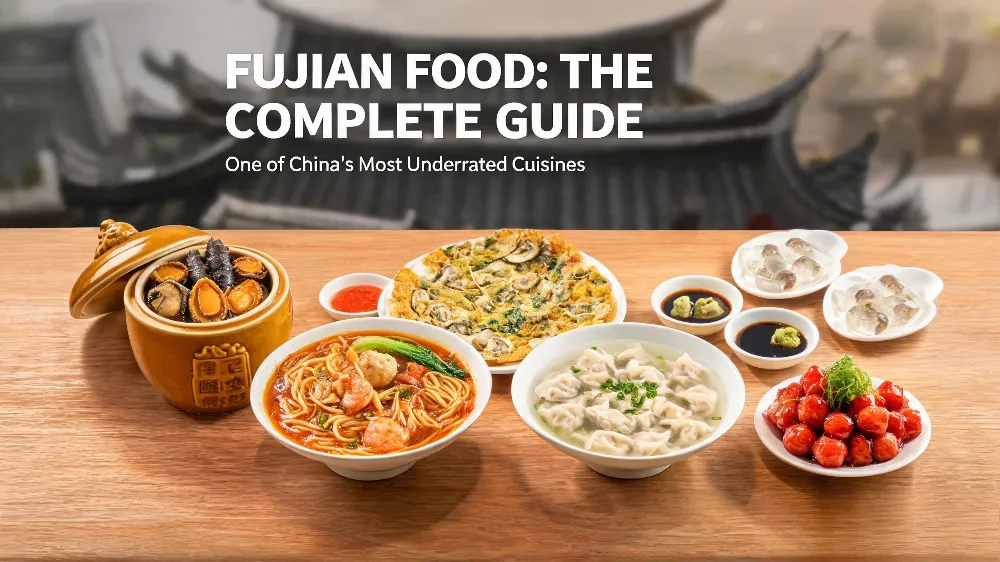
Here’s the thing. Fujian sits on the southeast coast of China, looking out across the Taiwan Strait. For more than a thousand years, it was the starting point of the Maritime Silk Road. Traders, fishermen, immigrants, and traveling monks all passed through its ports, and every single one of them left something behind in the local kitchen. The result is a cuisine that’s light, brothy, seafood-heavy, surprisingly sophisticated, and unlike anything else in China.
I’ve spent a chunk of time eating my way through Fuzhou, Quanzhou, Xiamen, and the smaller towns in between. This guide is the result. It’s long, it’s detailed, and it’s written for anyone who wants to actually understand what Fujian food is — not just memorize a list of dishes. By the end, you’ll know the history, the regional sub-cuisines, the must-eat dishes, where to find them, and even how to cook a few of them in your own kitchen.
Let’s get into it.
Why Fujian Food Is So Different From Other Chinese Cuisines
Most people know Chinese food as a few big flavors: spicy Sichuan pepper, sweet-and-sour Cantonese, the fermented funk of northern China. Fujian breaks that pattern. The signature traits of Fujian cuisine are easy to remember once you see them in action:
- Light, fresh, and umami-rich. Fujian cooks lean on the natural flavor of the ingredient, not heavy sauces or chili heat. If you order a bowl of fish soup in Fuzhou, you might be shocked at how clean it tastes — almost transparent, but packed with flavor.
- Obsessed with soup. Almost every meal in Fujian ends with a soup course, and many of those soups are double-boiled for hours. There’s even a saying in Fuzhou: “No soup, no meal.”
- Knife work is a competitive sport. Fujian chefs are famous for carving a single piece of tofu into 28 paper-thin slices that fan out on the plate, or turning a mushroom into something that looks like a tiny pine tree. It’s not just decoration — it changes the texture when you eat it.
- Seafood, seafood, seafood. With over 3,000 km of coastline and some of the best fishing grounds in China, Fujian has access to fish, shellfish, seaweed, and other ocean goodies that other provinces can only dream of.
Put all that together, and you get a cuisine that feels closer to Japanese washoku or Thai home cooking than to the orange chicken most foreigners grew up eating.
A Quick History of Fujian Cuisine
Fujian’s food story really starts in the Tang and Song dynasties, roughly 1,200 to 1,400 years ago. Two things were happening at once: the imperial court was moving south (a lot of northern Chinese elites ended up in Fuzhou), and Fujian’s ports — especially Quanzhou — were becoming some of the busiest trading hubs in the world.
Arab, Persian, and Southeast Asian traders brought new ingredients and new techniques. Red-braised cooking, the kind you see in the famous hong shao dishes, may actually have entered southern Chinese cooking through Fujian’s Muslim communities and their contact with traders from the west. The soy sauce tradition, the sugar-saving preservation techniques, even the use of shrimp paste in certain dishes — all of these have roots in the maritime trade.
By the Ming and Qing dynasties, Fujian cuisine had taken its modern shape. A Chinese saying from that period goes: “If you haven’t tasted the four treasures of the south, you haven’t truly lived.” Three of those four treasures come from Fujian: Jian zhan tea cups, Tianzhubi incense, and of course, Fujian food itself.
Here’s something people don’t always realize: there’s a huge Fujian diaspora. Fujianese emigrants (called Hokkien people) settled all over Southeast Asia — Singapore, Malaysia, the Philippines, Indonesia — and they brought their food with them. A lot of the noodle dishes and soup bases in Singaporean hawker stalls? Fujianese roots. Mee sua, the thin wheat noodle soup served at long-life birthday celebrations? That’s a Fujian tradition that traveled to Taiwan and then everywhere else.
So when you eat Fujian food, you’re eating a cuisine with a thousand-year track record of absorbing influences from across Asia. It’s old, but it’s never been static.
The Four Sub-Cuisines of Fujian (Yes, It’s a Whole Family)
Most food articles treat Fujian cuisine as one thing. That’s a mistake. Fujian is a long, narrow province, and the food in the north tastes nothing like the food in the south. There are four main sub-cuisines, each with its own personality:
1. Fuzhou Cuisine (闽菜·福州菜)
This is the official “face” of Fujian cuisine, the one served at state banquets. Fuzhou dishes are light, slightly sweet, and brothy. The acid balance is delicate — chefs use red rice vinegar (similar to Zhenjiang vinegar) rather than the heavy black vinegar of northern China. Knife work is taken to extremes here, and the soups are legendary. If you’ve ever had a Fuzhou fish ball that explodes with broth when you bite it, you’ve had Fuzhou cuisine at its best.
2. Southern Fujian / Quanzhou Cuisine (闽南菜, also called Minnan cuisine)
This is the food of Quanzhou, Xiamen, and Zhangzhou. It’s bolder, sweeter, and more sauce-driven than Fuzhou food. Minnan cuisine loves satay, shrimp paste, pickled mustard greens, and oyster-based dishes. If you’ve ever had a great bowl of shacha mian (satay noodles) in Malaysia or Singapore, that’s a direct descendant of Quanzhou cooking.
3. Western Fujian Cuisine (闽西菜, Hakka-influenced)
Western Fujian is mountainous, and the food reflects that. Hakka-style preserved meats, stuffed tofu, rice noodles, and hearty stews dominate. The flavors are stronger and more rustic. Bantian (a fermented rice soup) and stuffed yong tau foo are classics here.
4. Eastern Fujian Cuisine (闽东菜)
Often grouped with Fuzhou food, eastern Fujian has its own twist — more emphasis on river fish from the Min River and surrounding areas, plus a strong tradition of red yeast rice wine in cooking.
When chefs from these regions argue (and they do), it’s usually about which version of a dish is the “real” one. Honestly, they’re all real. The fun is in eating your way through the differences.
Must-Try Dishes in Fujian (And What to Order)
Alright, this is the part everyone actually wants. Here’s a deep dive into the dishes that define Fujian food, what they are, what they taste like, and how to spot a great one. There are a lot, so bear with me — I’d rather give you a complete list than a top-10 that misses half the good stuff.
Buddha Jumps Over the Wall (佛跳墙, Fo Tiao Qiang)
Let’s start with the most famous. The story goes that a scholar in the Qing dynasty was making an elaborate soup, and a passing monk smelled it and wanted to abandon his vows to come eat. The dish literally made a monk break his discipline — hence the name.
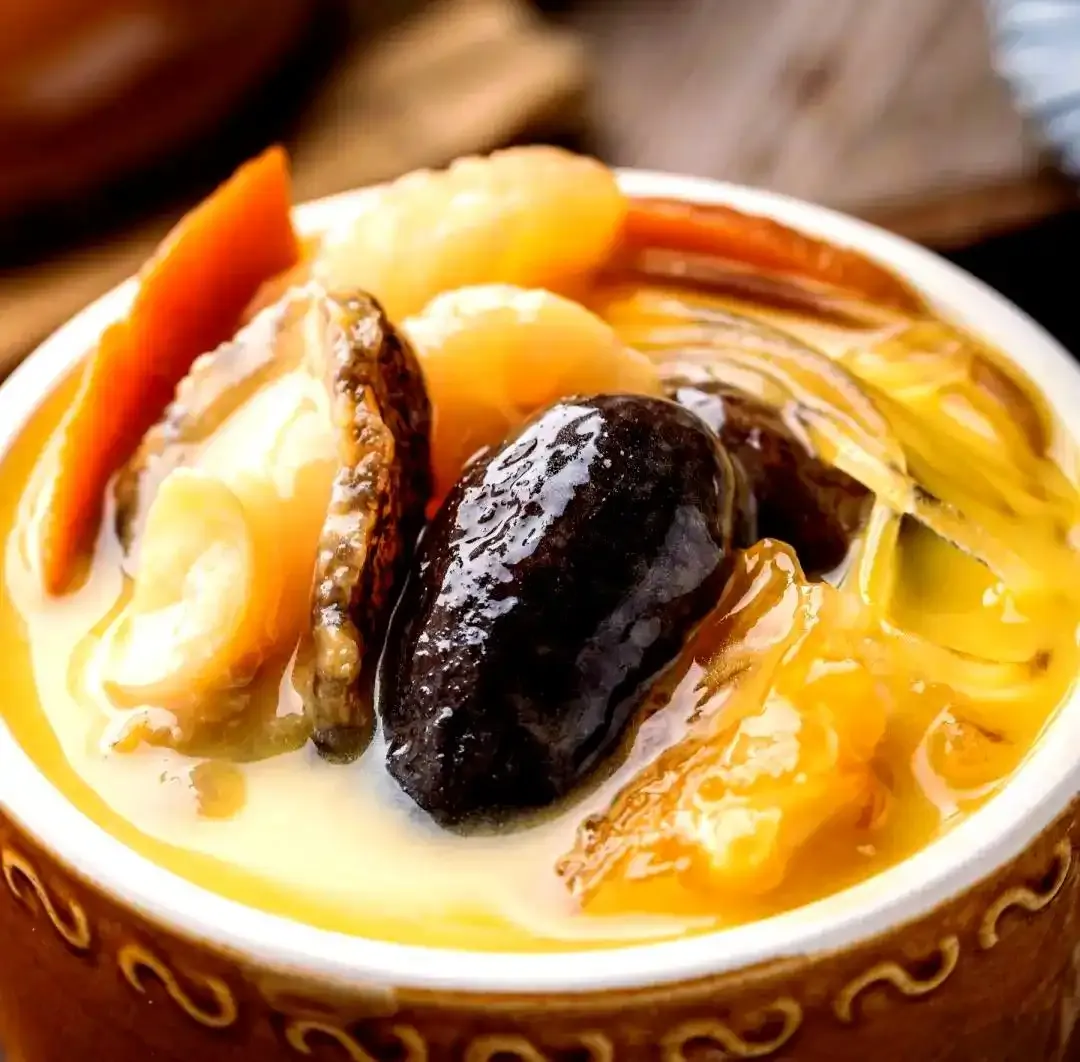
What is it, actually? It’s a stew, but calling it a stew feels like an insult. Inside a single clay pot, you’ll find shark fin (or sometimes just fish maw in modern versions), abalone, sea cucumber, dried scallops, dried mushrooms, shark lip, ginseng, Jinhua ham, and a dozen other luxury ingredients. They’re arranged in layers, covered with Shaoxing wine and chicken stock, and double-sealed for hours. When it comes out, the broth is amber, the smell is overwhelming, and one bowl can easily cost $100+ at a high-end restaurant.
The trick: a good version balances the briny seafood with the savory meat and the sweet wine. Bad versions are just expensive and bland. If you ever get a chance to try it in Fuzhou, take it. It’s the single most iconic Fujian dish, and probably the most luxurious soup in all of Chinese cooking.
Oyster Omelette (海蛎煎, Hai Li Jian)
Walk through any night market in Xiamen, Quanzhou, or even Taipei, and you’ll smell this one before you see it. Small fresh oysters are mixed with sweet potato starch and eggs, then pan-fried in a flat disc until the bottom is crispy and the inside is gooey. It’s served with a sweet chili sauce and sometimes pickled radish on the side.
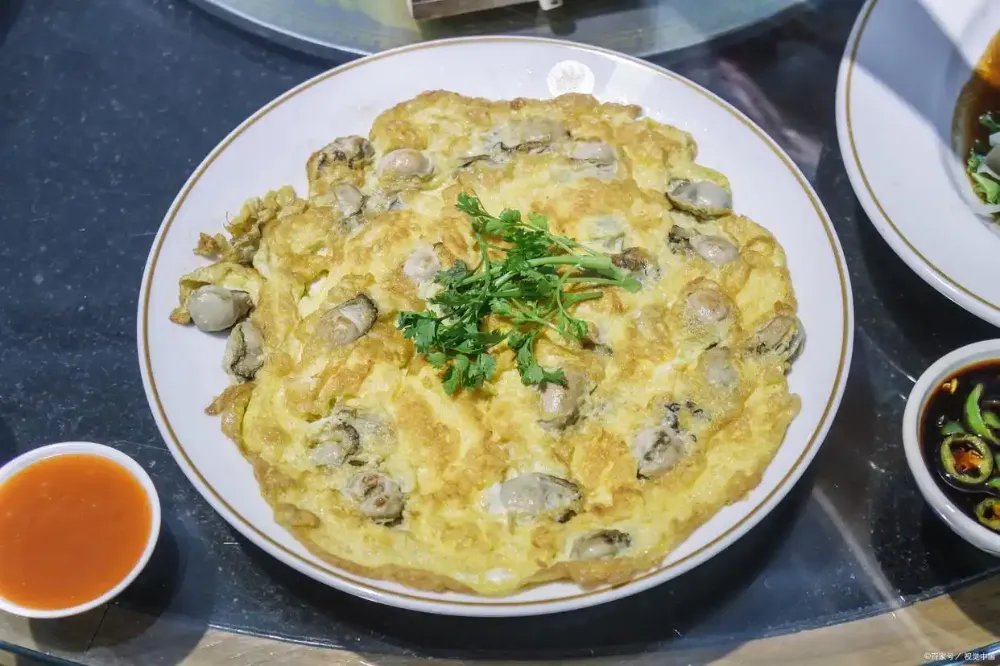
The texture is the whole point. Crispy outside, custardy inside, with the oysters adding bursts of briny ocean flavor. Some vendors add basil leaves for a fresh, peppery kick. It’s cheap, filling, and one of the most addictive things you can eat in southern Fujian.
Satay Noodles (沙茶面, Sha Cha Mian)
Sha cha is a satay-style sauce that came to Fujian from Southeast Asia, probably via the Hokkien diaspora in Malaysia and Indonesia. It’s made from ground peanuts, dried shrimp, garlic, shallots, chilies, and a bunch of spices. In Quanzhou and Xiamen, it’s the foundation of one of the region’s most beloved noodle dishes.
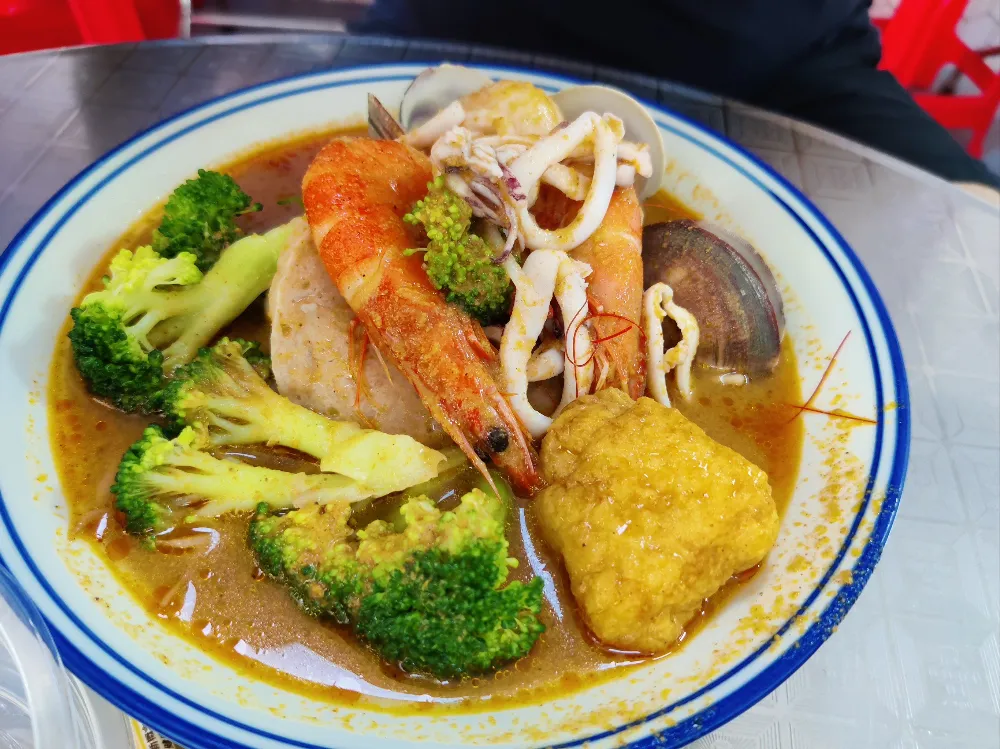
You pick your toppings — prawns, squid, pork slices, tofu, fish balls, beef, duck blood (yes, really) — and the cook ladles a rich, peanutty, slightly spicy broth over your bowl of yellow alkaline noodles. The flavor is complex: savory, sweet, spicy, and a little funky. A great bowl of sha cha mian is one of the best things you can eat in southern China.
Fuzhou Fish Balls (鱼丸, Yu Wan)
There are two main kinds. The first is the minced-fish ball: shark meat (or eel, or other white fish) is pounded into a paste, mixed with sweet potato starch, and shaped into bouncy, slightly translucent balls. They’re served in a clear, savory broth.
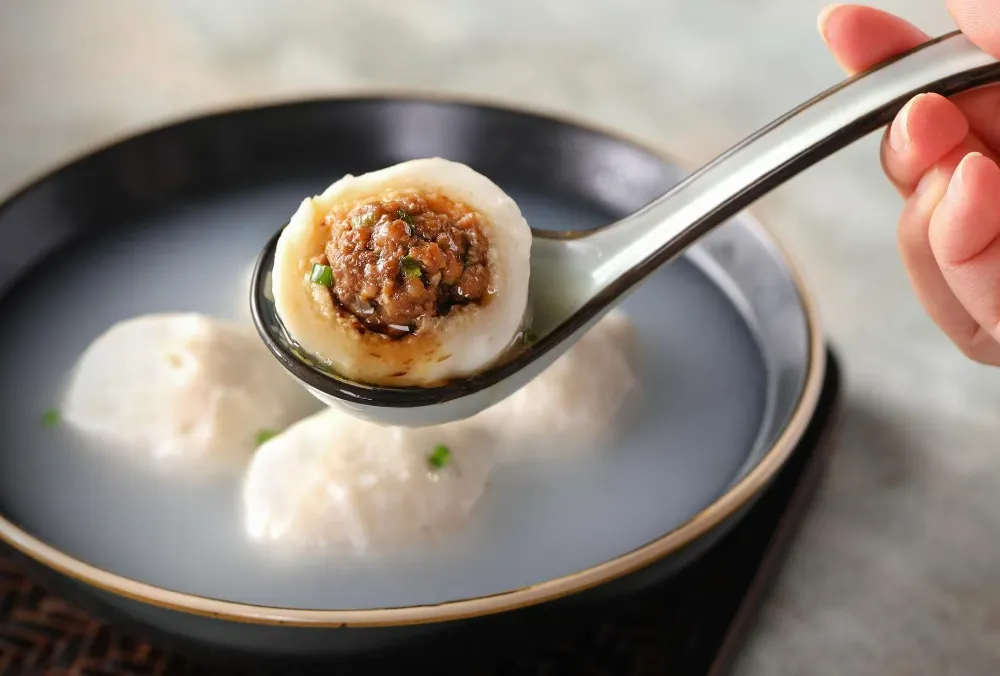
The second kind is the one that surprises people. Fuzhou fish balls can be stuffed — a meat or peanut-sugar filling is sealed inside the fish paste. When you bite in, hot broth or sweet filling erupts out. It’s a texture experience, and it requires real skill. The outside should be springy, never rubbery; the inside should be juicy. A good Fuzhou fish ball is an entirely different food from the dim sum fish balls you might know.
Peiyuan Taro Paste (芋泥, Yu Ni)
This is Fujian’s signature dessert. Taro is steamed, mashed with pork fat and sugar, and cooked down into a thick, sticky paste. It looks unassuming — purple, smooth, like a pile of mashed potato — but the flavor is rich, sweet, and deeply earthy.
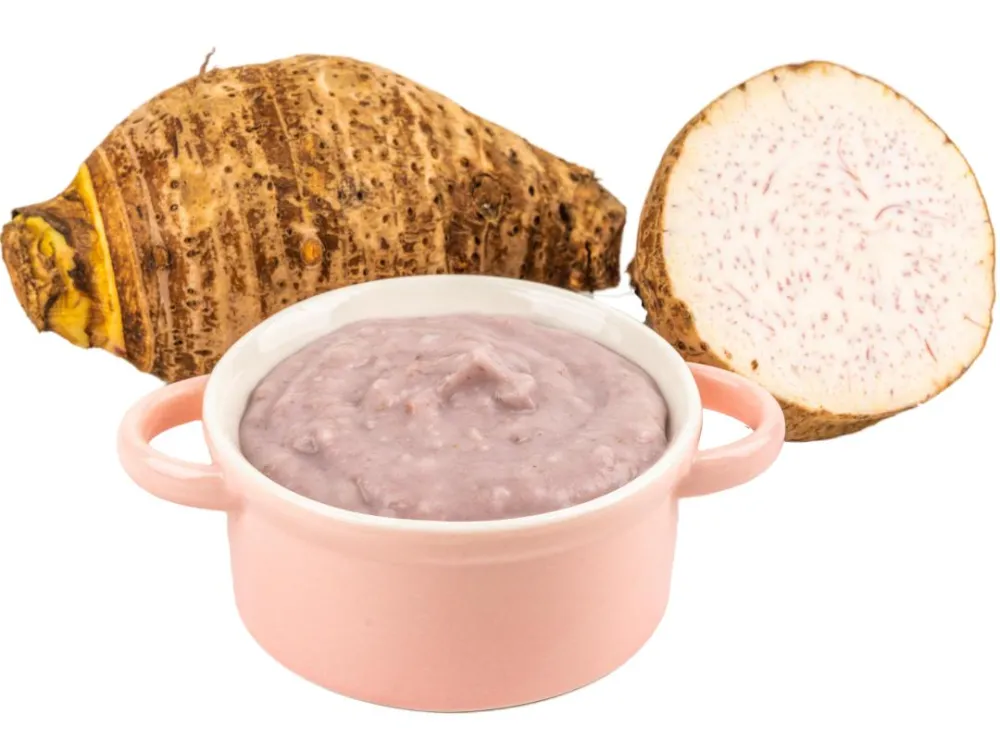
The traditional way to serve it is on a small plate with a single preserved kumquat on top, and you eat it with a spoon. Some places serve it warm, others cold, and there are savory versions with minced pork and mushrooms. The first time you try it, you’ll probably think it tastes a little odd — heavy, almost savory-sweet — but most people get hooked after two or three bites.
Popiah (薄饼, Bo Bing)
The Fujianese spring roll, and the ancestor of Vietnamese summer rolls and even some forms of lumpia. A thin, soft wheat crepe is filled with shredded turnip, carrot, bean sprouts, crushed peanuts, fried tofu, and often some pork or shrimp. You roll it up yourself and dip it in a sweet bean sauce.
It’s fresh, crunchy, and a lot lighter than the deep-fried spring rolls most Westerners know. In Quanzhou, there’s a famous old street — Zhongshan Road — where you can buy fresh popiah from vendors who’ve been making them the same way for 30+ years.
Mee Sua (面线, Mian Xian)
Thin, delicate wheat noodles that cook in about 90 seconds. In Fujian, they’re served in a clear seafood or chicken broth, often with crab, oysters, or clams, plus mushrooms and ginger. It’s comfort food — light, warming, and surprisingly satisfying for something that takes 5 minutes to make.
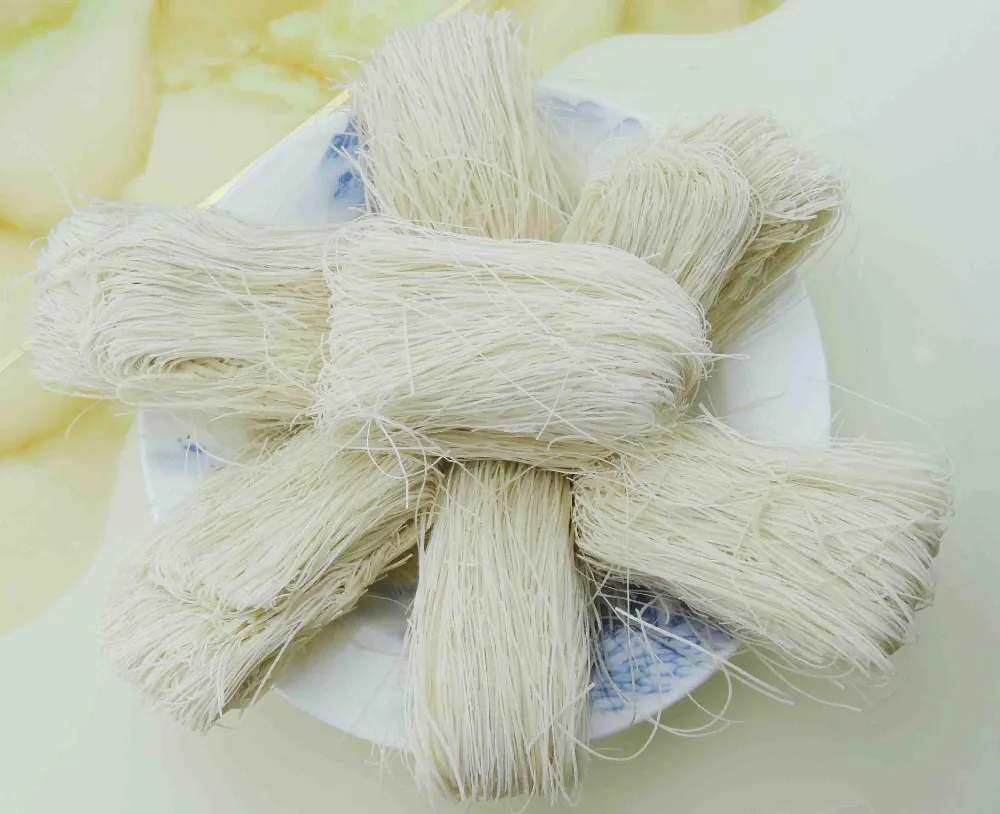
Mee sua is also a birthday tradition. The noodles symbolize long life, and they’re served at celebrations across the Fujianese world, including Taiwan and parts of Southeast Asia.
Rou Zong (肉粽, Rou Zong)
Sticky rice dumplings, but a very different beast from the Cantonese zong zi you might know from Dragon Boat Festival. Fujian’s version is sticky rice wrapped in bamboo leaves and stuffed with braised pork belly, mushrooms, chestnuts, dried shrimp, and a hard-boiled egg. It’s savory, rich, and dense. Some versions are even fried after steaming, which makes the outside crispy.
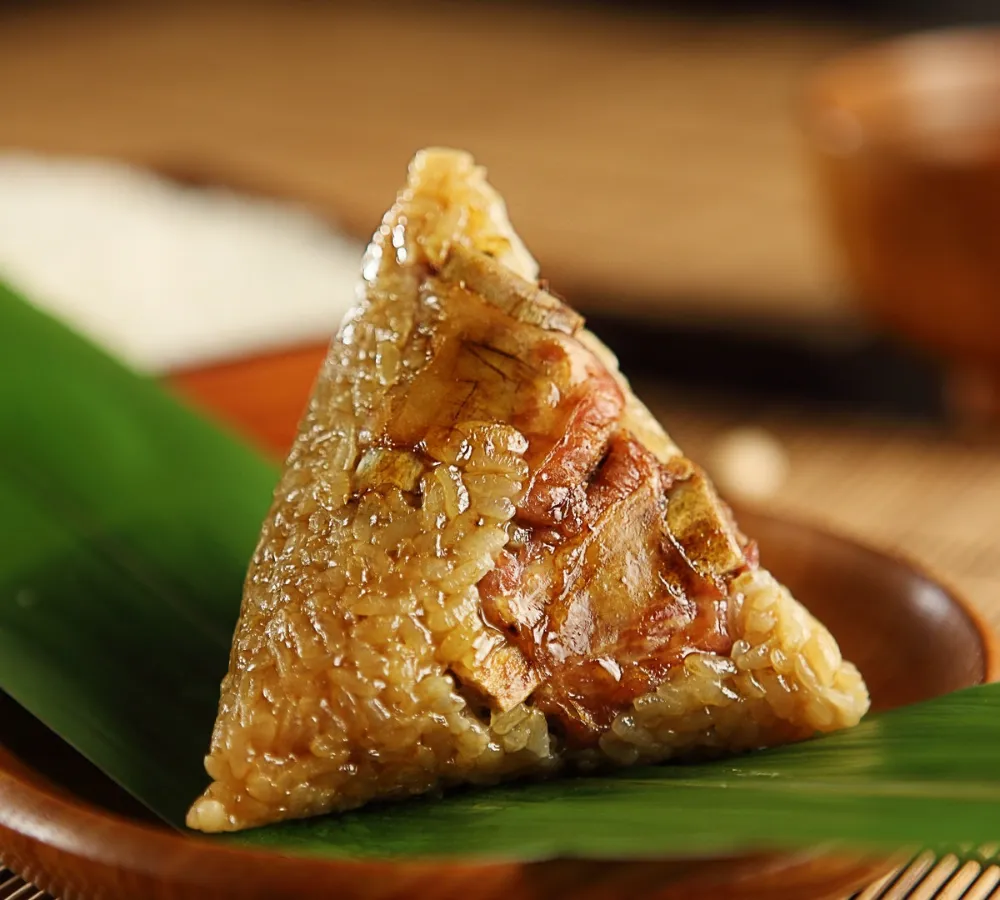
If you visit Xiamen in summer, look for the small stands selling ji xiang rou zong — “auspicious” meat dumplings, often eaten at weddings and other celebrations. They’re huge, often bigger than your fist, and one is usually a full meal.
Bian Rou (扁肉, Bian Rou)
Often called the Fujianese wonton. The wrapper is incredibly thin — almost transparent — and the filling is finely minced pork (sometimes with a little fish) seasoned with ginger, scallion, and a touch of sesame oil. They’re served in a clear broth with dried flat fish (a Fujian specialty) and small dried scallops.
The wrapper is the trick. Done well, it dissolves the moment it hits your tongue, leaving you with the meat and the broth. A good bowl of bian rou in Fuzhou or Yong’an is one of the great Chinese breakfasts — if you can find a place that opens before 9 AM.
Guang Bing (光饼, Guang Bing)
A round, sesame-topped flatbread that’s baked in a clay oven, often with a little cavity in the middle. You can stuff it with braised pork, fermented vegetables, or just eat it plain. It’s named after General Qi Jiguang, a Ming dynasty military leader who, according to legend, invented it as a portable ration for his soldiers. Today, it’s a beloved street snack, especially in the Fuzhou and Ningde areas.
There’s a long-running debate about the best place to eat guang bing in Fujian, and locals can get pretty heated about it. The most famous are from Jingwan, a small town where the bakers are said to have a 400-year-old family tradition.
Red Yeast Rice Drunken Chicken (红糟鸡, Hong Zao Ji)
Hong zao is red yeast rice — rice fermented with a specific mold that gives it a deep red color and a slightly sweet, wine-like flavor. Fujian cooks use it to marinate chicken, ribs, and even fish, then either steam or stir-fry. The result is a beautiful ruby-red dish with a gentle, fragrant tang. If you’ve never had hong zao before, try it in a simple stir-fry with rice first. It’s a flavor you won’t find anywhere else in China.
Fujian Rice Noodles with Seafood (海鲜米粉, Hai Xian Mi Fen)
Rice vermicelli cooked with a small mountain of fresh seafood — usually clams, prawns, squid, and oysters — plus garlic, ginger, and sometimes a splash of Shaoxing wine. It’s stir-fried dry, so every strand of noodle soaks up the seafood flavor. The version in Fuzhou uses a small local clam called xi huang that gives the whole dish a deep briny taste.
Litchi Pork (荔枝肉, Li Zhi Rou)
A Fuzhou specialty that has nothing to do with lychee fruit, despite the name. Pork tenderloin is cut into small chunks, scored, and deep-fried so each piece curls into a ball that looks like a peeled lychee. It’s then tossed in a sweet-and-sour sauce. The name is poetic, the dish is fun to eat, and the contrast between the crispy outside and juicy inside is what makes it work.
Drunken Eel (醉鳝, Zui Shan)
Live eel is briefly blanched, then marinated in Shaoxing wine, soy sauce, and spices. The eel becomes tender, almost custardy, and infused with a strong wine aroma. It’s served cold, usually as an appetizer, and it’s the kind of dish that makes you realize Fujian cuisine has more range than most people assume.
Tian Ma Stewed Chicken (天麻炖鸡)
A medicinal soup, really. Tian ma (Gastrodia elata) is a Chinese herb believed to help with headaches and blood pressure. Combined with old hen, ginger, and red dates, it makes a clear, herbal, slightly sweet soup. It tastes a lot better than it sounds. In Fuzhou, you’ll find it on the menu of almost any traditional soup house.
Minnan Beef Soup (牛肉羹, Niu Rou Geng)
A thick, almost gravy-like soup made from hand-cut beef, sweet potato starch, ginger, and beef broth. The starch makes it silky and clingy, and the beef is usually so tender it falls apart. In Quanzhou and Xiamen, it’s served for breakfast alongside a fried dough stick (you tiao) and is a serious hangover cure. There’s an old saying that goes: “If you haven’t had beef soup in Quanzhou, you haven’t been to Quanzhou.”
Jiang Mu Ya (姜母鸭, Jiang Mu Ya)
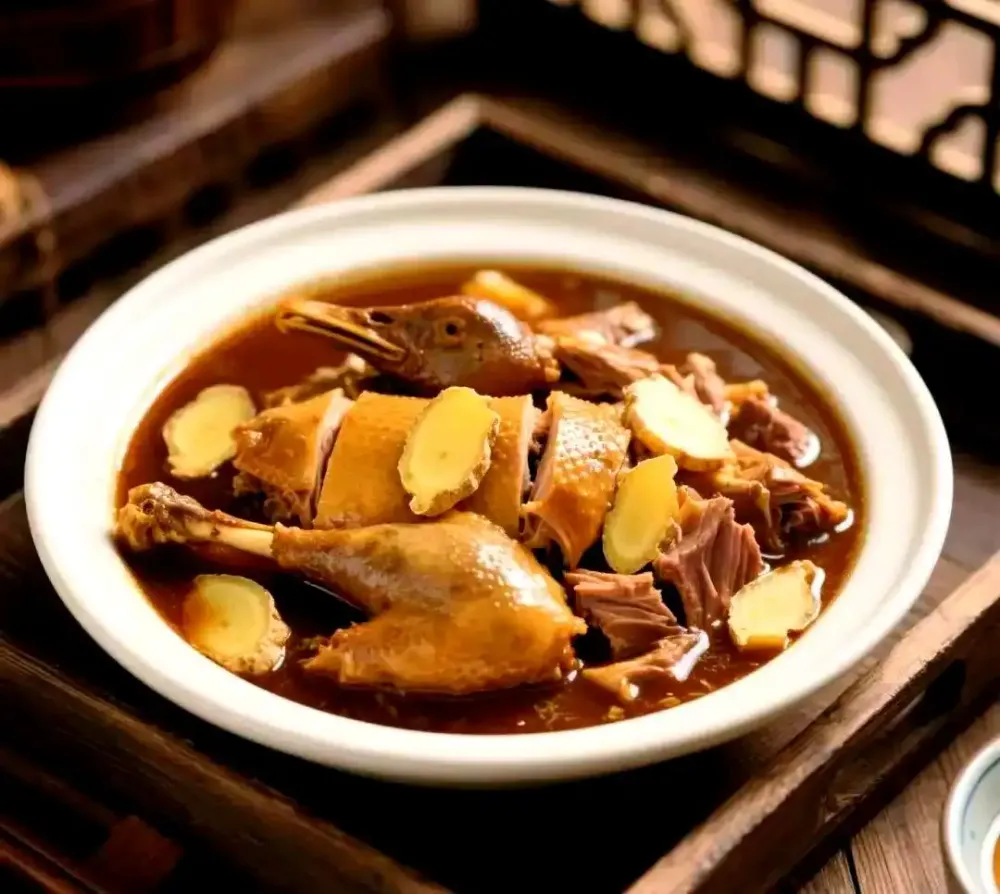
Old duck braised with a huge amount of old ginger, sesame oil, and rice wine. The dish is warming, rich, and a bit medicinal — traditional Chinese medicine would call it a “yang” food that balances your body’s energy in winter. The flavor is intense: the ginger mellows out, the duck stays tender, and the sauce is dark, sweet, and a little smoky. Best eaten on a cold day with a bowl of white rice.
Stone Tablet Tofu (石碑豆腐)
Not a famous dish, but worth mentioning. A small shop in the old town of Tong’an (near Xiamen) has been pressing tofu the same way for over 100 years — using a stone tablet-shaped mold that gives the tofu a unique dense, springy texture. You won’t find this everywhere, but if you see it, try it pan-fried with garlic and a little soy sauce.
Pineapple Sweet and Sour Pork (凤梨咕噜肉)
Okay, this is technically a Cantonese dish, but Fujian adopted it decades ago and put its own spin on it, using more pineapple and a lighter, more vinegar-forward sauce. Fujian’s version is popular at family gatherings and is a fixture of school lunch menus across the province. Comfort food at its simplest.
Eight Treasure Soup (八宝汤)
A celebratory soup served at weddings and major holidays. The “eight treasures” change from cook to cook but usually include lotus seeds, dates, longan, goji berries, dried longan, dried tangerine peel, barley, and sometimes whole duck or chicken. It’s sweet, fragrant, and meant to bring good luck.
Seaweed Jelly (海带结 / 凉拌海蜇)
Small bundles of seasoned seaweed, often served cold as a side dish or snack with a sesame oil dressing. Cheap, healthy, and crunchy.
Quanzhou Stuffed Sweet Potato (地瓜粥, Di Gua Zhou)
Congee, but the Fujianese way. Sticky rice, sweet potato, and a touch of sugar, slow-cooked into a thick porridge. Sweet, comforting, and the kind of thing your grandmother would have made on a cold morning.
Sweet Rice Balls (汤圆, Tang Yuan)
Glutinous rice flour dumplings filled with black sesame, peanut, or red bean paste. Served in a sweet ginger broth. Fujian’s version is smaller and more delicate than the northern ones, and the filling-to-dough ratio is generous.
Fujian’s Tea Culture: The Other Half of the Meal
You can’t talk about Fujian food without talking about Fujian tea. The province is the birthplace of Oolong tea, and it’s where some of China’s most prized tea varieties come from.
Three are worth knowing:
- Tieguanyin (铁观音) — “Iron Goddess of Mercy,” grown mainly in Anxi county. Floral, smooth, with a long-lasting sweet aftertaste. Most tea drinkers outside China who like oolong have had this one.
- Da Hong Pao (大红袍) — “Big Red Robe,” from the Wuyi Mountains. Darker, roasty, with notes of cocoa and stone fruit. It’s one of the most expensive teas in the world; some of the original mother trees produce leaves that sell for thousands of dollars per kilogram.
- White Tea (白茶) — Fujian is also the home of white tea, especially Bai Mu Dan and Shou Mei. Light, delicate, with a subtle sweetness. Great for pairing with seafood.
Fujian tea is meant to be paired with food. A heavy, dark da hong pao goes with red braised pork or duck. A floral tieguanyin is perfect with light seafood or dim sum-style snacks. In Fuzhou, you can spend an entire afternoon at a tea house drinking and eating small plates — the local version of dim sum, but with tea as the centerpiece.
If you want to bring something home from Fujian, a small bag of good tieguanyin is the move. Buy it from a tea merchant, not a tourist shop, and ask them to walk you through a few tastings. Most will, happily, for the price of a cup.
Street Food and Night Markets in Fujian
Fujian is not a 24-hour street food city the way Bangkok or Taipei is, but the night markets in Xiamen, Fuzhou, and Quanzhou are still worth a dedicated visit. Here are a few that stand out.
Zhongshan Road, Quanzhou (中山路)
This is the most atmospheric food street in Fujian. It’s a long pedestrian road in the old town, lined with century-old shophouses, and on any given evening you can find a dozen stalls selling bian rou, sha cha mian, rou zong, and dozens of other local specialties. The architecture alone is worth the trip — many of the buildings still have their original 1930s facades.
Shapowei, Xiamen (沙坡尾)
Once a fishing harbor, now a trendy waterfront area packed with small restaurants and bars. The food skews young and creative — think sha cha mian with wagyu beef, oyster omelettes topped with uni, and craft beer made with local ingredients. It’s touristy, yes, but the quality is high.
Sanfang Qixiang, Fuzhou (三坊七巷)
The historic heart of Fuzhou. The “Three Lanes and Seven Alleys” area is full of restored Ming and Qing dynasty homes, and tucked between them are small eateries serving traditional Fuzhou food. Try the guang bing here — there are several stalls that have been making it for 50+ years.
Hubin Road, Fuzhou (湖滨路)
A more modern street food strip. Late-night stalls serve up ha li jian, bi cheng tian (small clams stir-fried with basil), grilled oysters, and spicy crawfish. It’s loud, crowded, and very Fujianese.
Where to Eat in Fujian (If You Go)
If you’re planning a food trip, here’s a quick city-by-city guide.
Fuzhou
The capital. Best for traditional Fuzhou cuisine, tea houses, and the historical food scene. Don’t miss the Sanfang Qixiang area for the old-school dishes, and try at least one of the bigger traditional restaurants for a full Fuzhou banquet. Juchunyuan is an institution — they’ve been serving Fuzhou food for over 100 years, and their yu wan tang (fish ball soup) is still the benchmark.
Xiamen
More tourist-friendly, with a wider range of cuisine. Best for sha cha mian, seafood, and the modern Fujianese food scene. The Gulangyu island (reachable by ferry) is also a food destination in its own right — the old colonial buildings now house small cafés, bakeries, and tea rooms serving Fujianese- and Taiwanese-style snacks.
Quanzhou
The historical heart of Minnan culture. Less polished than Xiamen, but the food is more authentic. Eat rou zong, bian rou, and beef soup here, and spend at least one evening walking Zhongshan Road. The city’s old mosques, temples, and Confucian shrines are UNESCO World Heritage sites, and the food scene around them is excellent.
Putian
Often overlooked, but Putian has its own distinct cuisine (Putian food, or Pu xiang cai, is actually the fourth major regional style of Chinese cooking that most people don’t know about — alongside Cantonese, Fujian, and Hokkien). Famous for xiang bing (savory crepes), hong tiao (red rice wine), and some of the best seafood in Fujian.
How to Make Fujian Food at Home (3 Easy Recipes to Start)
You don’t need to fly to Fuzhou to start cooking Fujian food. Here are three recipes you can make with ingredients available in most international supermarkets.
Recipe 1: Easy Oyster Omelette
Ingredients (serves 2):
- 200 g fresh shucked oysters, drained
- 3 large eggs, beaten
- 3 tbsp sweet potato starch (cornstarch works as a backup)
- 2 tbsp water
- 2 scallions, chopped
- 1 tbsp soy sauce
- 1 tsp fish sauce
- 2 tbsp neutral oil
- Sweet chili sauce, for serving
Instructions:
- Mix the oysters with the sweet potato starch, water, scallions, soy sauce, and fish sauce. Let it sit for 5 minutes.
- Heat the oil in a non-stick pan over medium-high heat.
- Pour in the oyster mixture and spread it out into a flat disc. Let it cook undisturbed for 2-3 minutes until the bottom is golden.
- Pour the beaten eggs over the top and let them set, about 1 minute.
- Flip the whole thing carefully (use a plate to help) and cook the other side for another 2 minutes.
- Cut into wedges, serve with sweet chili sauce, and eat immediately.
Recipe 2: Simple Sha Cha Noodles
Ingredients (serves 2):
- 200 g fresh yellow alkaline noodles (or spaghetti as a backup)
- 3 tbsp sha cha sauce (look for it in Asian supermarkets; it’s often labeled “Chinese satay sauce”)
- 2 tbsp peanut butter
- 1 tbsp soy sauce
- 1 tsp sugar
- 2 garlic cloves, minced
- 1 tbsp neutral oil
- 200 g mixed seafood (shrimp, squid, mussels, whatever you have)
- 500 ml chicken or seafood stock
- Bok choy or other leafy greens, for serving
Instructions:
- Cook the noodles according to package directions, drain, and set aside.
- In a small bowl, mix the sha cha sauce, peanut butter, soy sauce, and sugar with 100 ml of hot stock. This is your broth base.
- Heat the oil in a wok or large pan over high heat. Add the garlic and stir-fry for 10 seconds.
- Add the seafood and stir-fry for 2-3 minutes until just cooked.
- Pour in the broth base and the remaining stock. Bring to a simmer.
- Add the noodles and greens, simmer for 1 minute, and serve in big bowls.
Recipe 3: Taro Paste Dessert (Simplified)
Ingredients (serves 4):
- 500 g taro, peeled and cubed
- 100 g sugar
- 50 g unsalted butter
- 100 ml coconut milk or whole milk
- 1 tsp vanilla extract
- A pinch of salt
Instructions:
- Steam the taro for 25-30 minutes until very soft.
- Mash it thoroughly (a potato ricer works best, but a fork will do).
- In a pan, melt the butter over medium heat. Add the mashed taro, sugar, and salt. Stir constantly for 5 minutes.
- Add the milk slowly, stirring, until the paste is smooth and thick. This should take about 8-10 minutes.
- Stir in the vanilla. Serve warm or cold.
This simplified version won’t have the deep complexity of the real Fujian yu ni, but it’s surprisingly close, and it’s a great way to use a vegetable that most people in the West ignore.
Common Mistakes Tourists Make With Fujian Food
A few things to watch out for, especially if it’s your first time.
- Don’t expect spice. Most Fujian food is not spicy. If you want heat, ask for chili sauce on the side. Trying to “Fujian-ify” a Sichuan dish usually ends in disappointment.
- Don’t order fish ball soup as a main dish. It’s a side or a starter. The full meal usually includes multiple dishes plus rice.
- Don’t skip the soup course. It’s not optional in Fujian dining culture. Skipping it is like skipping dessert in France — you can do it, but people will look at you funny.
- Don’t drink cold water with your meal. Fujian tradition is hot tea or warm water with food. It helps with digestion and balances the cold energy of seafood (in Chinese medicine terms).
- Don’t bargain at the fish market. In coastal towns, the morning fish market is a great place to see what’s fresh. But if you want to actually buy something, ask a local to help. The prices can be confusing and there’s a real risk of being overcharged.
The Future of Fujian Food
Fujian cuisine is at a strange moment. In China, it’s still considered one of the great regional cuisines, but in the global conversation about Chinese food, it’s largely invisible. Most of the chefs in major Chinese cities who are reinventing regional food are working with Sichuan, Cantonese, or Yunnan traditions. Fujian, despite its depth, doesn’t have a single “rock star” chef in the way that, say, Chengdu does.
That said, things are changing. A new generation of young Fujianese chefs is starting to push back, opening restaurants that reframe the cuisine for a younger audience. Fo Tiao Qiang is being served in modern tasting-menu form. Sha cha mian is being elevated with single-origin peanut pastes. Even traditional snacks like guang bing are getting gourmet makeovers.
Outside China, the picture is similar. There’s almost no Fujian-focused restaurant in London, New York, or LA. That’s a real opportunity, frankly. With a diaspora of millions of Fujianese around the world, and a cuisine that’s light, fresh, and easy to like, you’d think the first major Fujian restaurant in the West would have opened by now. It hasn’t. The door is wide open for whoever gets there first.
Final Thoughts
Here’s the bottom line. Fujian food is one of the most distinctive and delicious regional cuisines in the world, and almost nobody outside of China knows it. It’s light where Cantonese is sweet, fresh where Sichuan is hot, and brothy where northern Chinese cooking is hearty. It has a thousand-year history, a strong diaspora tradition, and a future that’s only just starting to be written.
If you’re a serious food person, Fujian should be on your list. The province is easy to travel in, the people are welcoming, and the food is so good that even a bad meal is a pretty good meal. Start in Fuzhou for the soups and knife work, head south to Quanzhou for the bold Minnan flavors, end up in Xiamen for the modern scene and the seafood. Give yourself at least a week. Bring an empty stomach, an open mind, and a willingness to eat things you’ve never heard of before.
You won’t regret it.
Frequently Asked Questions About Fujian Food
What is Fujian food known for?
Fujian food is known for being light, fresh, umami-rich, and seafood-heavy. The cuisine is famous for its knife work (especially carving tofu into delicate patterns), its love of soup (almost every meal ends with one), and its mild, slightly sweet flavor profile. It’s one of China’s eight great culinary traditions and the origin of many dishes found across Southeast Asia.
Is Fujian food spicy?
Generally, no. Most Fujian food is not spicy in the way Sichuan or Hunan food is. The cuisine emphasizes the natural flavor of ingredients, with a slight sweetness in some regional styles. That said, some Minnan (southern Fujian) dishes can be a bit peppery, and chili sauce is often served on the side.
What is the most famous Fujian dish?
Buddha Jumps Over the Wall (Fo Tiao Qiang) is the most famous. It’s an elaborate soup-stew containing over a dozen luxury ingredients like abalone, sea cucumber, and shark fin, and it’s been a symbol of high-end Chinese cooking for over 100 years. Oyster omelette and sha cha mian are also extremely well-known.
Is Fujian food healthy?
Yes, relative to most regional Chinese cuisines, Fujian food is considered quite healthy. The emphasis is on steaming, boiling, and stir-frying with minimal oil, and the heavy use of seafood and vegetables makes it balanced. The soups are particularly nourishing in Chinese medicine terms.
What is the difference between Fujian and Cantonese food?
Both cuisines are seafood-focused and use light cooking, but Fujian food tends to have more soup-based dishes, more emphasis on knife work, and a slightly sweeter profile. Cantonese food has a much bigger repertoire of roasted meats and dim sum, while Fujian food leans more on braised and stewed preparations.
Where is the best place to try Fujian food in China?
Fuzhou, the provincial capital, is the best place for traditional Fuzhou-style food. Quanzhou is the heart of Minnan (southern Fujian) cuisine, and Xiamen has a more modern, restaurant-driven food scene with strong seafood. All three are well-connected by high-speed rail.
Can I find Fujian food outside China?
It’s rare but possible. Cities with large Hokkien (Fujianese) populations like Singapore, Kuala Lumpur, Manila, and parts of Indonesia have restaurants serving Fujianese-style food, though it’s often labeled as “Hokkien” cuisine. In the West, Fujian-specific restaurants are extremely rare.
What is sha cha sauce?
Sha cha (沙茶) is a Fujianese satay-style sauce made from ground peanuts, dried shrimp, garlic, shallots, chilies, and spices. It came to Fujian from Southeast Asia and is now a defining flavor of southern Fujian cooking. It’s the base of the famous sha cha mian noodles.